




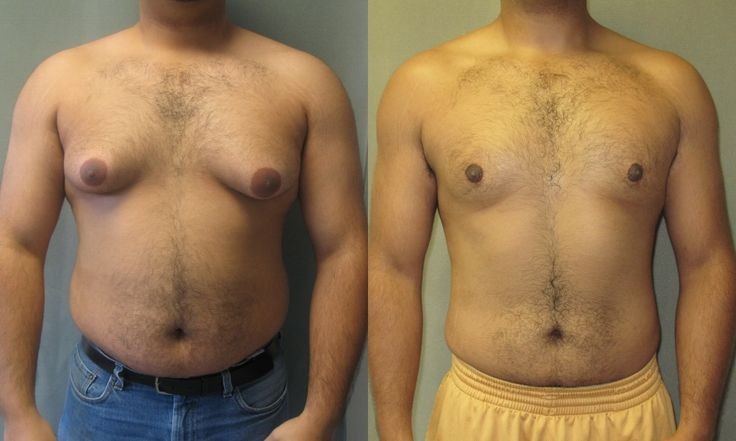
Gynecomastia is a common condition that causes enlargement of the male chest due to the growth of glandular breast tissue, excess fat, or a combination of both. Although it is not a dangerous medical condition, it can have a significant psychological impact on affected individuals. Many men feel embarrassed about their appearance, avoid wearing fitted clothing, and lose confidence in social situations, sports activities, and intimate relationships.
Gynecomastia may affect one side of the chest (unilateral) or both sides (bilateral). The condition can occur during puberty, adulthood, or later in life. While some cases resolve naturally, many patients continue to experience persistent breast enlargement that requires medical evaluation and treatment.
What Causes Gynecomastia?
The development of gynecomastia is usually related to an imbalance between the hormones estrogen and testosterone. Several factors can contribute to this condition, including hormonal changes during puberty, obesity, aging, liver disease, thyroid disorders, kidney disease, certain medications, anabolic steroid use, and low testosterone levels. In some patients, no specific cause can be identified despite thorough investigation.
Because the causes vary widely, a detailed medical assessment is essential before treatment is planned. Identifying and addressing any underlying medical condition can help prevent progression and improve long-term results.
Symptoms and Patient Concerns
Most patients seek treatment because they notice a visible enlargement of the chest that resembles female breasts. Some experience tenderness or discomfort around the nipple area, while others report puffiness of the nipples and difficulty wearing certain types of clothing. Many patients avoid swimming pools, gyms, and social gatherings because of embarrassment regarding their appearance.
The psychological effects can often be more significant than the physical symptoms. Reduced self-esteem, social anxiety, and lack of confidence are common concerns among men suffering from gynecomastia.
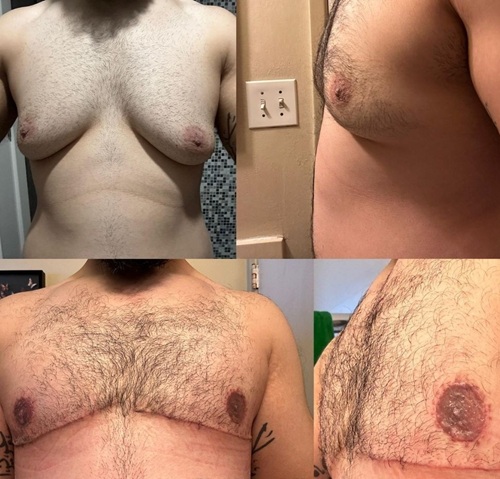
Gynecomastia vs Chest Fat
Though they may seem alike, gynecomastia and chest fat are two different things. Gynecomastia is the hormonal imbalance of female and male hormones which causes a firm, enlarged glandular breast tissue. It is often like a rubber or dense lump under the breast and will not go away with diet or exercise. In contrast, chest fat (also known as pseudogynecomastia) is just extra fat that can feel soft and is typically associated with weight gain in general.
Treatment is the major difference. Lifestyle modifications such as weight loss, exercise and liposuction can often help to reduce chest fat. However, if the enlargement is caused by the actual presence of gynecomastic gland tissue, the only way to get rid of the gland is through surgery. Using a proper clinical examination and sometimes an ultrasound to determine if the enlargement is caused by fat, glandular tissues or a mix of both, ensures that the most effective treatment plan can be undertaken.
Clinical Evaluation
At LePearl Aesthetics, every patient undergoes a comprehensive consultation with Dr. Khurram Malik. During this consultation, a detailed medical history is obtained, including the duration of breast enlargement, medication use, weight changes, hormonal symptoms, and any family history of similar conditions.
A thorough physical examination is then performed to assess the amount of glandular tissue, fat deposits, skin quality, nipple position, and overall chest contour. The examination helps determine whether the enlargement is caused by true gynecomastia, excess fat accumulation, or a combination of both.
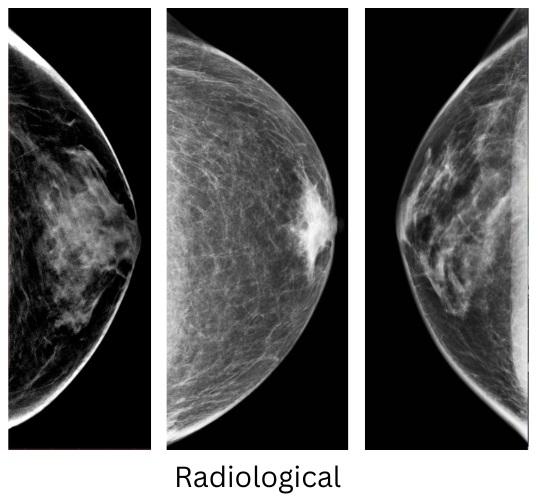
Radiological and Laboratory Assessment
Although many cases can be diagnosed through clinical examination alone, certain patients may require additional investigations. Ultrasound of the breast is commonly used to differentiate between fatty tissue and glandular breast tissue. It can also help identify any unusual masses that may require further evaluation.
Mammography may be recommended if there are suspicious findings such as a hard lump, nipple discharge, or concerns about breast cancer. In selected cases, testicular ultrasound may be advised if hormonal abnormalities suggest the possibility of a testicular condition.
Laboratory investigations may include testosterone levels, estrogen levels, thyroid function tests, liver function tests, kidney function tests, and other hormonal studies. These tests help identify underlying medical causes that may contribute to breast enlargement.
Modern Surgical Treatment
For patients with persistent gynecomastia, surgery remains the most effective and permanent treatment option. At LePearl Aesthetics, Dr. Khurram Malik utilizes a combination of advanced VASER liposuction and gland excision to achieve optimal chest contouring and long-lasting results.
VASER liposuction uses ultrasound technology to selectively break down unwanted fat deposits while minimizing trauma to surrounding tissues. This allows for smoother contouring, faster recovery, and improved chest definition.
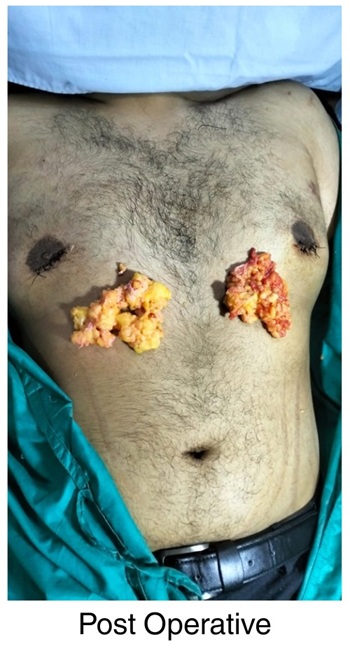
While liposuction effectively removes excess fat, it cannot eliminate the dense glandular tissue that is often responsible for the characteristic breast enlargement. Therefore, gland excision is performed through a small incision placed discreetly along the border of the areola. The gland is carefully removed to create a flatter, firmer, and more masculine chest appearance.
By combining VASER liposuction with gland removal, patients benefit from comprehensive correction of both fatty and glandular components of gynecomastia.
Procedure Details
The surgery is performed as a day-care procedure, meaning patients are discharged home on the same day. Most procedures are carried out under local anesthesia with sedation, allowing patients to remain comfortable throughout the treatment while avoiding the risks associated with general anesthesia.
The procedure typically takes between one and two hours depending on the severity of the condition. Following surgery, a compression garment is worn for several weeks to reduce swelling and help the chest heal into its new contour.
Most patients can return to routine office work within a few days, while more strenuous activities and exercise are usually resumed after three to four weeks.
Recovery and Results
Following surgery, patients notice an immediate improvement in chest shape. Some swelling and bruising are expected during the first few weeks, but these gradually resolve. As healing progresses, the chest becomes flatter, firmer, and more naturally contoured.
Final results continue to improve over a period of several months. Patients frequently report increased confidence, improved body image, and greater comfort when wearing fitted clothing or participating in physical activities.
Because the glandular tissue is permanently removed, the results are generally long-lasting. Maintaining a stable weight and healthy lifestyle further contributes to preserving the outcome.
Cost of Gynecomastia Surgery
The cost of gynecomastia surgery at LePearl Aesthetics typically ranges between PKR 100,000 and PKR 150,000. The exact cost depends on the grade of gynecomastia, the amount of fat requiring liposuction, the extent of gland removal, and the overall complexity of the procedure.
A personalized treatment plan and quotation are provided following consultation and examination by Dr. Khurram Malik.