




Hair Transplant in Multan for Long-Term Hairline Planning
Compare hair transplant options in Multan, including FUE, FUT and DHI, donor-supply planning, recovery, growth timing...
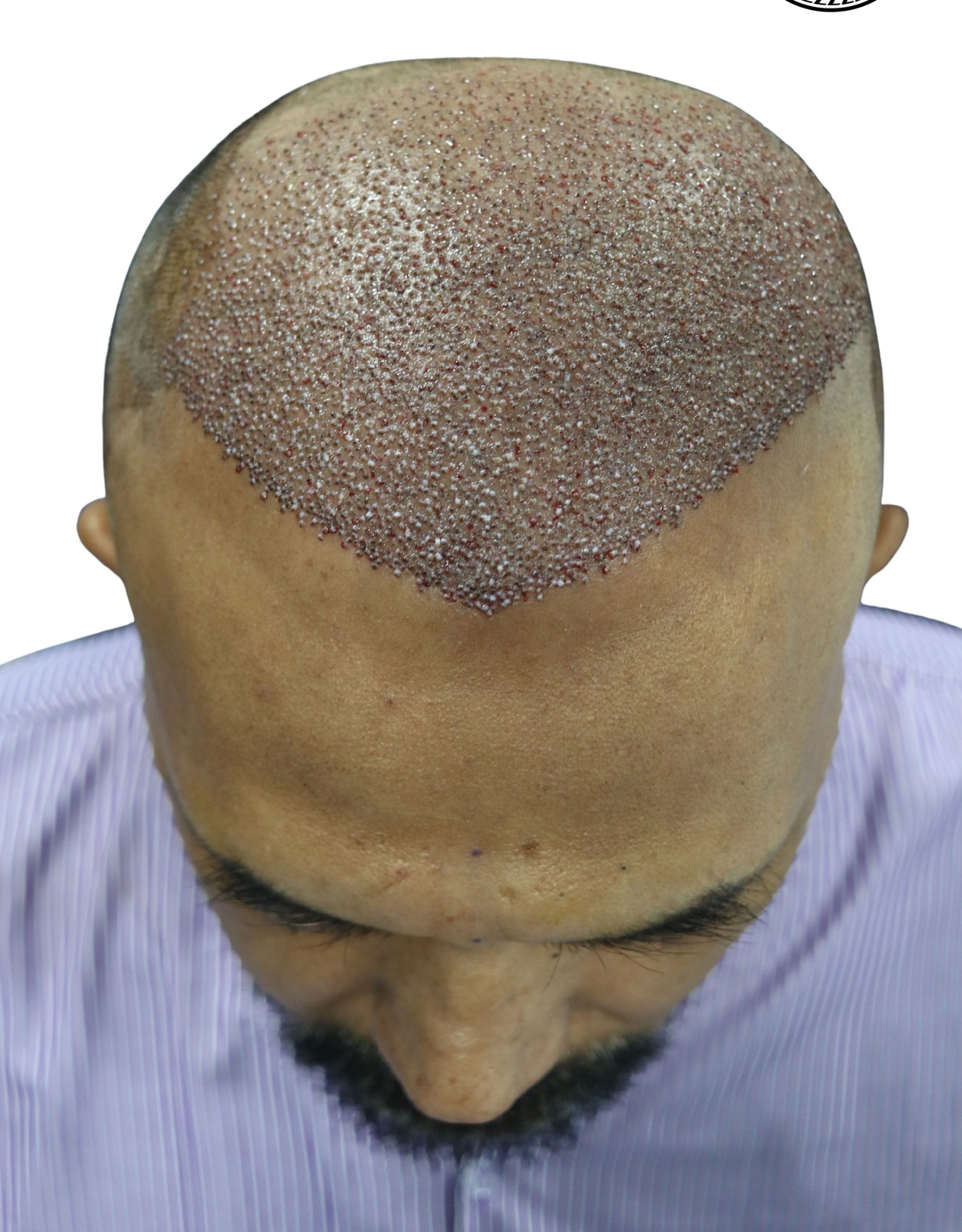
Hair transplantation involves moving follicular units from a donor area (typically the back or sides of the scalp) to an area of thinning hair. Does not make new follicles or induce loss around the follicles. Therefore, the ultimate success of a hair transplant in Multan depends upon diagnosis, a stable supply of hair donors, age, facial proportions and expected future pattern. A conservative hairline will save hair for future rollovers and appear more believable as the face ages.
Candidacy and Donor Supply Come First
Candidates have stable or predictable pattern loss, good density and realistic pattern coverage requirements. If alopecia areata is active, there could be some scarring inflammation or scalp infection that is not treated, or a number of diffuse, unstable hair loss or weak hair donor supply, surgery may not be appropriate or even premature. Medications may be suggested to help preserve the natural hair.
Hair coverage depends on hair caliber, curl and colour contrast, all of which depend on the number of grafts. Surgeon should assess donor zone and discuss the density vs. resources later. Excessive harvesting may result in an apparent “hole” or “scars” on the donor site.
FUE Hair Transplant in Multan, FUT and DHI
When using FUE, the follicular units are taken one by one using small punches. Does not avoid one linear scar, but leaves many tiny circular scars, and often needs to be shaved. FUT takes a thin strip and seals the donor site, leaving a linear scar and can yield several grafts.
DHI does not necessarily mean harvesting, but rather implantation with a pen. Sapphire FUE" refers to the material of the blade and not to any other biological process. It is more important to know how to handle the graft, the angle it is at, and the direction and preservation of the donor.
Hair Transplant Cost in Multan
Cost is based on graft count, harvesting technique, hairline/crown-intricacy, surgeon/team, facility, medicines and after care. Who is the person who diagnoses loss, draws the hairline, applies anaesthetic, harvests grafts, makes recipient sites and deals with complications? Make comparisons on the basis of whole quotations, not on the basis of the lowest per-graft price.
Hair restoration surgery is a donor-management exercise as much as a graft-placement procedure. FUE, FUT and DHI labels matter less than diagnosis, surgeon responsibility, graft handling and a realistic long-term design. Patients should receive donor measurements, a future-loss plan and an itemised quote before committing. Donor preservation protects future options.
Benefits and Expected Results
Rebuilt frontal hairline
Carefully angled grafts can restore a conservative frame to the face.
Added coverage
Donor follicles may reduce scalp visibility in selected thinning or bald areas.
Natural growth direction
Recipient-site planning can make transplanted hair follow surrounding angles and flow.
Long-lasting donor characteristics
Follicles from a stable zone often retain greater resistance to pattern miniaturisation.
Improved styling options
More coverage may allow hairstyles that were difficult with an exposed hairline or crown.
Individual graft planning
Design can balance present goals with the possibility of future thinning.
What to Expect
Treatment Time
4–8 hours
Downtime
7–14 days
Results Onset
3–4 months
How Long Results Last
Usually long term
How Your Hair Transplant in Multan for Long-Term Hairline Planning Works
Donor and loss assessment
The surgeon confirms diagnosis, measures density and designs a mature hairline around future progression.
Harvesting and placement
Follicular units are removed, protected and implanted at planned angles using sterile surgical technique.
Healing and growth follow-up
Crusting, shedding, donor recovery and new growth are reviewed over the following year.
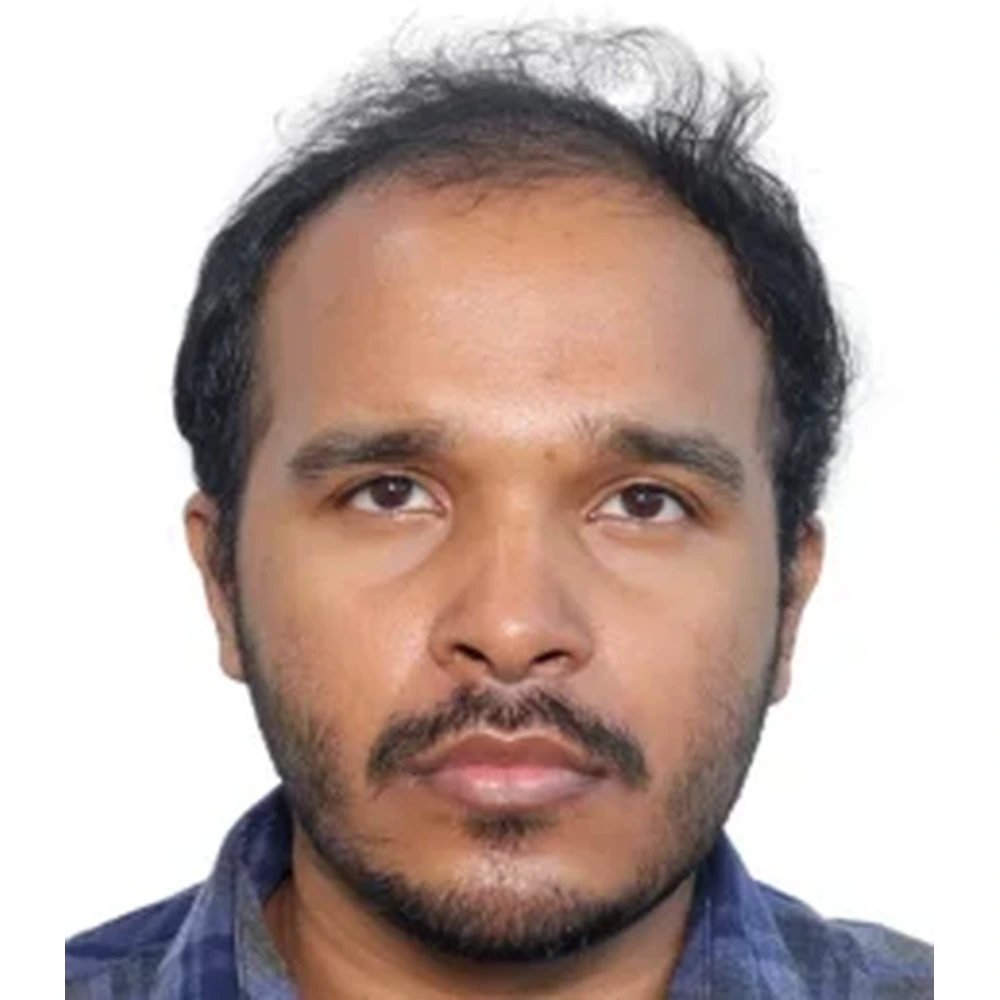
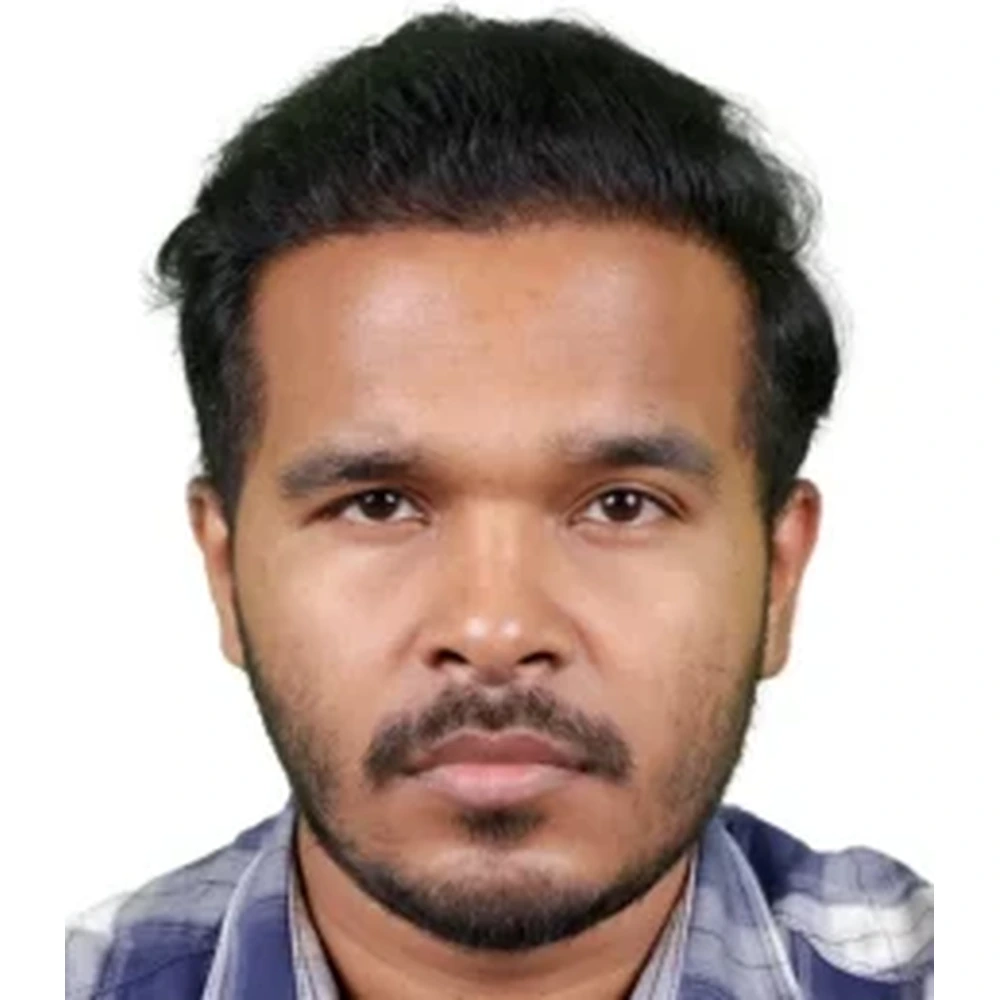
Before & After
Trusted Expertise You Can Count On
10+
Years Experience
5,000+
Treatments Performed
98%
Client Satisfaction
Certified aesthetic practitioners
Strict clinical hygiene protocols
Personalised treatment planning
Swelling, tenderness, crusting, numbness and early shaft shedding are common possibilities. Bleeding, infection, folliculitis, scarring, shock loss, poor growth, donor thinning and an unnatural hairline can occur. Transplanted density is limited by donor supply, and native hair can keep thinning. Follow individual instructions on washing, sleep, exercise, sun and medicines.
Frequently Asked Questions
Below are the most common questions about Hair Transplant in Multan for Long-Term Hairline Planning. Don't see yours? Contact us for a free consultation.
Follicles taken from a stable donor zone often retain long-lasting growth characteristics, but no appearance is guaranteed forever. Ageing, disease and continued loss of non-transplanted hair can change the result. Medical treatment and future planning may still be needed.
They are not direct opposites. FUE describes individual harvesting, while DHI commonly describes implantation with a pen. The same case can involve both. Donor preservation, graft survival, hairline design and who performs each surgical step are more important than the label.
The surgeon considers recipient area, desired coverage, hair calibre, curl, colour contrast, donor density and future loss. A photograph cannot reveal every donor limitation. A high promised number may be unsafe if it depletes the permanent zone or packs grafts poorly.
Transplanted shafts commonly shed during early recovery. New growth often begins after several months and continues thickening over nine to twelve months or longer. Timing and density vary, so a clinic should not guarantee a finished result on one exact date.
Yes. FUE avoids one long linear scar but each punch leaves a tiny circular scar. Visibility depends on punch size, extraction pattern, healing and haircut length. Removing too many units from one region can make donor thinning and scarring obvious.
Graft count, technique, surgical complexity, operating clinician, team, facility, medicines and follow-up determine cost. Verify who performs extraction and recipient incisions, what postoperative visits are included and how complications are managed before comparing per-graft prices.
What our clients say about us

"My experience with the clinic was excellent from consultation to recovery. I had a facial surgical procedure done, and the attention to detail was impressive. The results enhanced my features without making me look artificial. I’ve received so many compliments since then."

"For years I avoided fitted shirts and social gatherings because of gynecomastia. Finally getting the surgery changed my confidence completely. The results look very natural, and I honestly wish I had done it earlier. The surgeon explained every step clearly which gave me peace of mind."

"I always looked tired because of the extra skin around my eyes, even when I was fully rested. After my blepharoplasty procedure, my eyes look fresh and natural. The recovery was smoother than I expected, and the clinic staff made me feel comfortable throughout the process."

"I wanted a subtle change to my nose without losing my natural features. The rhinoplasty result was exactly what I hoped for. My face looks more balanced now, and even my family appreciated how natural everything turned out."
"I was nervous before starting laser treatment, but the experience was much easier than I expected. The clinic environment is clean and professional. After multiple sessions, the hair growth has reduced a lot."

"I wanted subtle Botox results without looking overdone. The doctor understood exactly what I wanted and kept everything very natural. I still look like myself, just more fresh and relaxed."

The best aesthetic clinic in Multan
Whether you're looking to reduce fine lines, enhance your features, or achieve glowing skin — our specialists are ready to help you look and feel your very best.
Ready to Reveal Your Best Self?
Book a consultation today and let our specialists create a personalised treatment plan just for you.