




Anal Fistula Treatment in Multan: Mapping, Surgery and Recovery
Anal Fistula Treatment in Multan: Mapping, Surgery and Recovery explains tract diagnosis, sphincter risk, surgical ch...
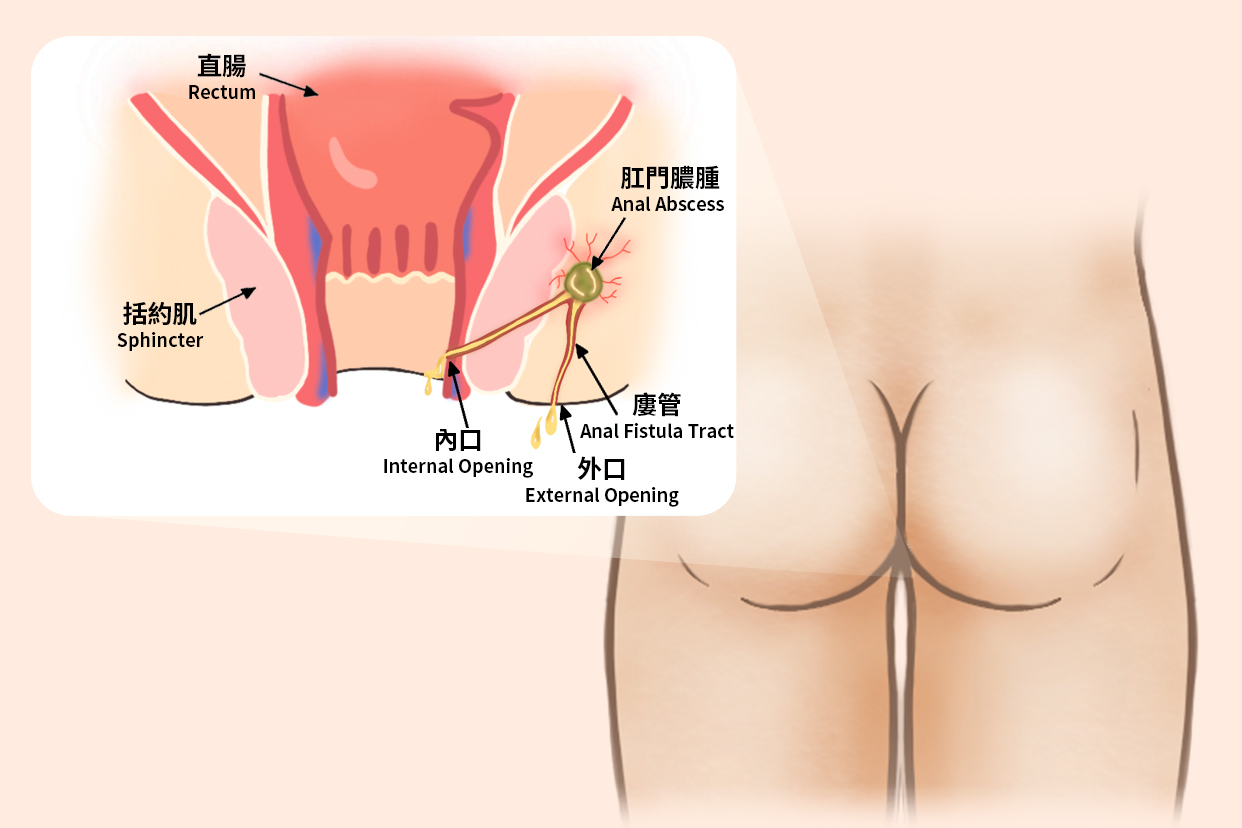
Clearly, Anal Fistula Treatment in Multan: Mapping, Surgery and Recovery begins with the path of the track, nothing with a preferred device. An anal fistula (or a fistula-in-ano) is an unusual anal passage created by an opening in the inner wall of the anal canal and an opening outside the skin. Usually, it follows a perianal abscess and may lead to the discharge of pus, drainage of the tract, swelling around the anus or recurrent perianal abscess.
The fistulous tract can extend a very short distance, a moderate distance or a considerable distance through the anal sphincter. That relationship will be the key to know whether it is a reasonable tract to open or not or if it will negatively impact control of wind or stool. A complex fistula can be branched, high, have prior surgery, Crohn's disease or other characteristic which alters planning. Any active abscess or infection should be treated.
Fistula treatment: anatomy before technique
The openings are examined and continence is checked by a colorectal surgeon who examines previous operations and abscesses. Recurrent or complex disease – pelvic MRI may be of benefit, examination under anaesthesia may confirm anatomy. When an opening or side branch is not present, it raises the risk of persistence.
In fistulotomy, a suitable low tract is opened up and healed from the bottom. The terms cannot be used interchangeably as the surgery involved in fistulectomy is more extensive, involving the removal of the tract and the formation of a larger wound. A draining seton can either help to control the sepsis or help to prepare a staged plan. The LIFT procedure is performed to close the tract between the sphincter muscles and is one of the ways of attempting to preserve the person's continence.
Anal fistula laser treatment and FiLaC
Fistula-tract Laser Closure (FiLaC) is a technique that uses a laser beam that is projected radially into the tract, ablating it from within. It is a type of sphincter-preserving surgery but laser closure does not ensure healing and does not treat all branches or cavities. Results may be different from those published and recurrence may only be found in longer follow-up. The surgeon should describe the importance of FiLaC to the mapped anatomy and what will happen if it fails.
Anal fistula care is an anatomy problem before it is a technology choice. A useful Multan consultation should map the tract, discuss baseline control, explain why a particular operation protects the sphincter and set out wound care and the plan for persistence or recurrence.
Benefits and Expected Results
Drainage of active infection
An abscess can be opened and drained before definitive closure is attempted.
Closure of the abnormal tract
The operation aims to stop repeated discharge and swelling by treating both openings and the tract.
Anatomy-matched surgery
Low simple and high complex tracts can be managed differently instead of receiving one standard operation.
Continence-aware planning
The amount of sphincter involved guides whether fistulotomy or a preserving technique is safer.
Staged treatment when needed
A seton can maintain drainage while inflammation settles and the next step is planned.
Structured follow-up
Review tracks wound healing and identifies persistent drainage or a new abscess early.
What to Expect
Treatment Time
30–90 minutes
Downtime
Method dependent
Results Onset
Weeks to months
How Long Results Last
Recurrence possible
How Your Anal Fistula Treatment in Multan: Mapping, Surgery and Recovery Works
Diagnosis and tract mapping
History, examination and selected imaging define openings, branches, abscesses and sphincter involvement. Baseline continence should be recorded.
Drainage or definitive surgery
The surgeon performs the agreed procedure under suitable anaesthesia. An unexpected branch may require a safer staged approach rather than a more destructive cut.
Wound and bowel care
Post-operative care covers dressings, washing, stool consistency, pain relief and activity. Open wounds may need regular review while healing from the base.
Recurrence review
Persistent pus, fever, increasing pain or swelling needs prompt assessment. Later discharge may indicate a residual or recurrent tract.
Trusted Expertise You Can Count On
10+
Years of Clinic Experience
5,000+
Treatments Performed at the Clinic
30–90 minutes
Typical Treatment Time
Certified aesthetic practitioners
Strict clinical hygiene protocols
Personalised treatment planning
Risks include pain, bleeding, infection, urinary difficulty, delayed healing, persistent discharge, abscess, recurrence and altered continence. The balance between cure and sphincter protection differs for each tract. Antibiotics alone usually cannot remove an established tunnel, and a laser is not automatically safer or more successful than other methods. Crohn’s disease and other underlying conditions need coordinated treatment.
Frequently Asked Questions
Below are the most common questions about Anal Fistula Treatment in Multan: Mapping, Surgery and Recovery. Don't see yours? Contact us for a free consultation.
Most often an established cryptoglandular pathway will continue without resolution unless treated, but symptoms will wax and wane. Medical and surgical treatment may be necessary for a fistula associated with Crohn's disease, not just surgical.
No. It is usually not used unless the division will not result in an intolerable risk of incontinence in selected simple tracts. Plan for higher, recurrent or branching tracts may require a sphincter-sparing or staged approach.
A draining seton will allow pus to drain away and infection to settle. It can be left in place for a while or could be a component of longer term management in selected disease.
In complex or recurrent cases, MRI can demonstrate the relationship of the tract with the sphincter, hidden branches and abscess cavities. It is useful for planning but should not be used instead of examination and surgical consideration.
FiLaC is designed to treat the tract without deliberately dividing the sphincter, which is why it is considered where continence is a concern. It does not remove the risk entirely, and failure or recurrence is still possible. Previous sphincter damage, childbirth, earlier surgery and the anatomy of the disease all affect both the outcome and bowel control.
Imaging, tract complexity, anaesthesia, seton use, procedure type, dressings and follow-up affect cost. Ask whether staged surgery or treatment of recurrence would involve separate charges.

What our clients say about us

"My experience with the clinic was excellent from consultation to recovery. I had a facial surgical procedure done, and the attention to detail was impressive. The results enhanced my features without making me look artificial. I’ve received so many compliments since then."

"For years I avoided fitted shirts and social gatherings because of gynecomastia. Finally getting the surgery changed my confidence completely. The results look very natural, and I honestly wish I had done it earlier. The surgeon explained every step clearly which gave me peace of mind."

"I always looked tired because of the extra skin around my eyes, even when I was fully rested. After my blepharoplasty procedure, my eyes look fresh and natural. The recovery was smoother than I expected, and the clinic staff made me feel comfortable throughout the process."

"I wanted a subtle change to my nose without losing my natural features. The rhinoplasty result was exactly what I hoped for. My face looks more balanced now, and even my family appreciated how natural everything turned out."

"I was nervous before starting laser treatment, but the experience was much easier than I expected. The clinic environment is clean and professional. After multiple sessions, the hair growth has reduced a lot."

"I wanted subtle Botox results without looking overdone. The doctor understood exactly what I wanted and kept everything very natural. I still look like myself, just more fresh and relaxed."

The best aesthetic clinic in Multan
Whether you're looking to reduce fine lines, enhance your features, or achieve glowing skin — our specialists are ready to help you look and feel your very best.
Ready to Reveal Your Best Self?
Book a consultation today and let our specialists create a personalised treatment plan just for you.