




Pilonidal Sinus Treatment in Multan: From Abscess to Recovery
Pilonidal Sinus Treatment in Multan: From Abscess to Recovery explains drainage, hair control and when pilonidal sinu...
The treatment of Pilonidal Sinus in Multan is hinged on the nature of the issue whether it is an acute abscess or chronic tracts in the natal cleft. Pilonidal disease occurs in the sacrococcygeal area (sits between the buttocks) when the pits become filled with loose or ingrown hair. A “tailbone cyst” can be a painful lump, pus draining, and not being able to sit or a hole that keeps draining.
A sinus infection can turn into an abscess which must be promptly drained. Incision and drainage of a pus-filled cavity is not a substitute for antibiotics to be used for spreading skin infection or other clinical indications. When inflammation subsides the clinician investigates the presence of pits, the presence of a hair-filled tract, previous scars, and the chronic infection and/or recurrent disease.
Pilonidal sinus surgery: choosing by disease pattern
Wide surgical excision is not necessary for all patients. Removal of the pits and/or a minimal surgical procedure may be sufficient for limited disease. Endoscopic Pilonidal Sinus Treatment (EPSiT) is a small scope examination and cleaning of tracts. Open excision can heal from the bottom up, and closure can reduce the length of open wound treatment in appropriate patients.
If closure is selected, it is important to move the wound away from the deepest midline. Off-midline closure options include the Bascom cleft lift, Karydakis flap and Limberg flap. They change the shape or flatten the cleft to minimize trapping of hair and moisture. Choice is based on disease extent and recurrence, and available tissue and surgeon experience.
Laser pilonidal sinus surgery and SiLaC
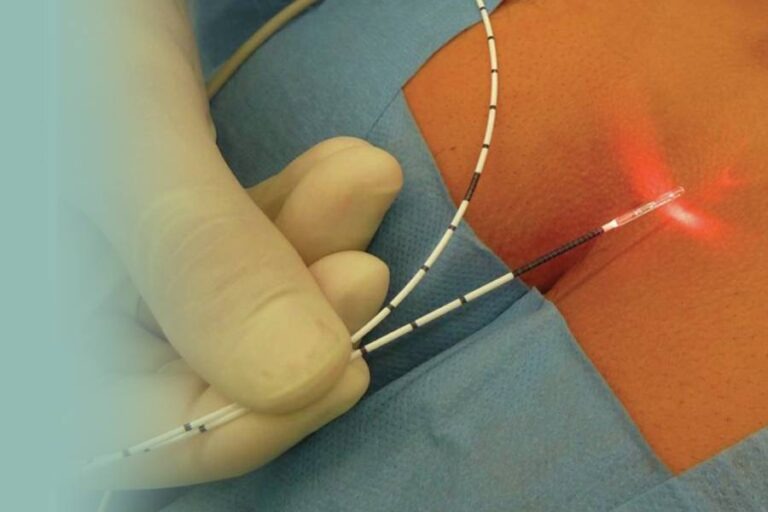
Sinus Laser Closure (SiLaC) uses a radial fibre, which is inserted in a cleaned tract and ablated with the laser. Though it does not involve as large an excision in selected patients, external pits and side branches need to be addressed. There is increasing evidence, but questions still remain regarding the incidence of recurrence and of repeated procedures. Laser hair reduction is a different method of hair control and is not closure of the tract.
Pilonidal disease ranges from one acute abscess to a network of recurrent tracts. A useful Multan consultation should treat active pus first, map chronic disease, compare wound burden and recurrence, and explain why a limited method or an off-midline flap fits the particular cleft.
Benefits and Expected Results
Relief of abscess pressure
Drainage releases pus and can rapidly reduce pressure from an acute infected cavity.
Control of chronic discharge
Treating pits and tracts aims to stop repeated staining, odour and local irritation.
Smaller-wound options
EPSiT or SiLaC may limit tissue removal in selected simple disease, though repeat care can be needed.
Off-midline healing
Flap procedures place the closure away from the deep cleft and can help complex or recurrent cases.
Easier sitting and movement
Pain and drainage can improve once infection settles and the wound progresses through healing.
Recurrence-reduction plan
Follow-up, cleft hygiene and sensible hair control address factors that can contribute to another episode.
What to Expect
Treatment Time
20–90 minutes
Downtime
Usually 1–14 days
Results Onset
Over several weeks
How Long Results Last
Recurrence possible
How Your Pilonidal Sinus Treatment in Multan: From Abscess to Recovery Works
Cleft and infection assessment
The surgeon checks pits, drainage, abscess, scar position and previous operations. Fever or spreading redness changes urgency.
Drainage or planned operation
An acute abscess is opened and drained. Chronic disease is treated later with the agreed minimally invasive, open or off-midline procedure.
Dressing and wound care
Instructions cover washing, dressings, sitting, exercise and hair. Open wounds and flap closures have different care needs.
Healing and recurrence review
Increasing pain, fever, pus or wound separation needs review. Later midline pits or discharge may signal recurrence.
Trusted Expertise You Can Count On
10+
Years Experience
5,000+
Treatments Performed
98%
Client Satisfaction
Certified aesthetic practitioners
Strict clinical hygiene protocols
Personalised treatment planning
Risks include pain, bleeding, infection, fluid collection, delayed healing, wound separation, numbness, scarring and recurrence. A minimally invasive technique may fail when there are several branches or extensive recurrent disease. Midline closure can place a wound in a moist, high-tension cleft. Smoking, diabetes, obesity, prolonged sitting and poor wound access can affect recovery, but no single factor alone predicts outcome.
Frequently Asked Questions
Below are the most common questions about Pilonidal Sinus Treatment in Multan: From Abscess to Recovery. Don't see yours? Contact us for a free consultation.
No. The sinus is a pit or tract in the cleft which may become infected and develop into an abscess. Abscesses require drainage and chronic tracts may require another definitive procedure later on.
In some cases, surrounding bacterial infection can be treated with antibiotic medication, but there are no antibiotics that can drain an existing closed abscess or remove existing pits or hairs. Surgical drainage is usually required for a fluctuant abscess.
No. Disease extent and prior treatment matter. Some patients suit limited pit procedures, EPSiT or SiLaC; others need excision or a flap because the tract network is broad or recurrent.
The deepest midline is moist, stretched and susceptible to hair from entering. In certain operations, the location of the scar away from that line and the flattening of the cleft can help the healing process.
If you have loose hair in the cleft, it may be helpful to keep it out as part of a comprehensive strategy, but shaving can lead to skin irritation if not done properly. If the wound is appropriate, clipping or professional laser epilation can be discussed.
Abscess drainage, disease extent, anaesthesia, EPSiT or laser equipment, flap surgery, dressings and follow-up affect cost. Ask whether repeated wound care or a staged procedure is included.

What our clients say about us

"My experience with the clinic was excellent from consultation to recovery. I had a facial surgical procedure done, and the attention to detail was impressive. The results enhanced my features without making me look artificial. I’ve received so many compliments since then."

"For years I avoided fitted shirts and social gatherings because of gynecomastia. Finally getting the surgery changed my confidence completely. The results look very natural, and I honestly wish I had done it earlier. The surgeon explained every step clearly which gave me peace of mind."

"I always looked tired because of the extra skin around my eyes, even when I was fully rested. After my blepharoplasty procedure, my eyes look fresh and natural. The recovery was smoother than I expected, and the clinic staff made me feel comfortable throughout the process."

"I wanted a subtle change to my nose without losing my natural features. The rhinoplasty result was exactly what I hoped for. My face looks more balanced now, and even my family appreciated how natural everything turned out."

"I was nervous before starting laser treatment, but the experience was much easier than I expected. The clinic environment is clean and professional. After multiple sessions, the hair growth has reduced a lot."

"I wanted subtle Botox results without looking overdone. The doctor understood exactly what I wanted and kept everything very natural. I still look like myself, just more fresh and relaxed."

The best aesthetic clinic in Multan
Whether you're looking to reduce fine lines, enhance your features, or achieve glowing skin — our specialists are ready to help you look and feel your very best.
Ready to Reveal Your Best Self?
Book a consultation today and let our specialists create a personalised treatment plan just for you.