




Mole Removal in Multan After the Lesion Is Identified
Compare mole removal in Multan with wart and skin-tag care, including lesion assessment, cryotherapy, minor surgery, ...
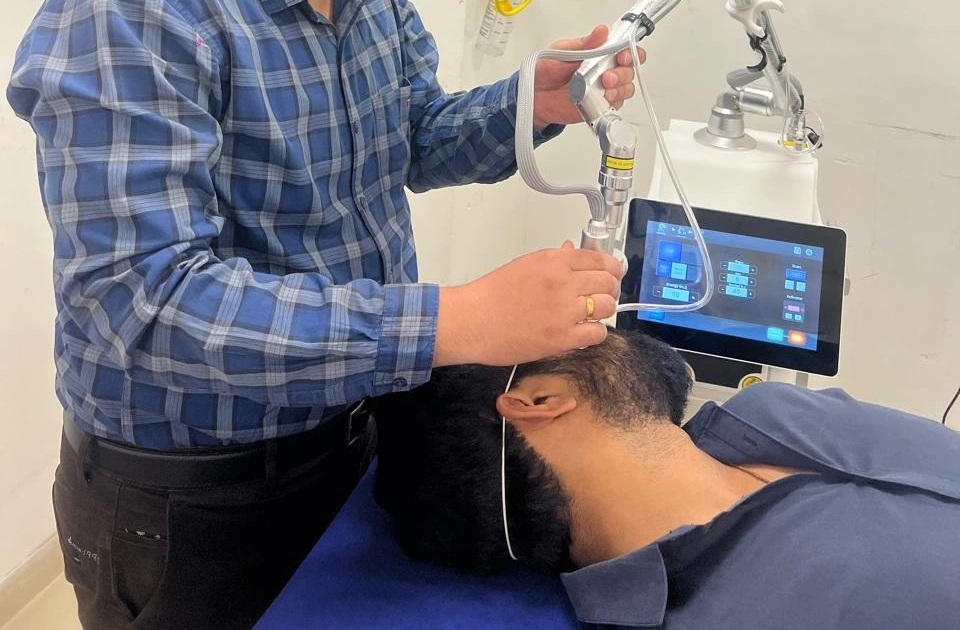
A mole, a wart and a skin tag are not one and the same. A mole is very likely to be a melanocytic naevus, a wart is associated with HPV and a skin tag is a soft benign acrochordon. They are removed in different ways and it is important to keep the tissue for the laboratory. Removal of moles in Multan must be preceded by an examination, as a pigmented lesion that changes may require biopsy or complete removal, which will not produce any specimen to destroy with laser, freeze or radiofrequency.
Wart and Skin Tag Removal in Multan
Depending on site, size, number and age, warts can be treated with salicylic acid, liquid-nitrogen cryotherapy, electrosurgery or another technique. It is possible for the virus to be present but the tissue is not. Before treatment, lesions on the edges of the face, on the genitals and on the soles of the feet should be carefully diagnosed.
If they are determined to be benign, you can remove them using snip excision, cautery or another minor procedure. Unless a tag catches, bleeds, or is not diagnostic, the removal of the tag is optional. Home cutting, tying or burning may lead to infection, bleeding and removal of the incorrect lesion.
Mole Biopsy
The bleeding, crusting and/or persistent itch, asymmetry and irregular borders should be checked as soon as they appear, however not every suspicious lesion will adhere to a checklist. Shave removal, punch biopsy or full excision may be chosen depending on depth and concern by dermatologist.
This procedure can level the raised benign mole but may result in cell and recurrence. Excision results in a longer linear scar, but maintains full depth tissue, and may be preferred in diagnosis or in margins.
Minor Skin Surgery and Cryotherapy
Some warts are treated with liquid nitrogen. It can lead to pain, blisters, swelling and dark spots or light spots, particularly in Pakistani skin. Not all moles are suitable for freezing, as it will destroy the diagnostic tissue. The local anaesthetic is employed for minor surgery, which may require stitches, and the removed material will be sent for histopathology if clinically indicated.
Safe lesion removal begins with knowing what is being removed and whether a microscope must examine it. Cosmetic outcome matters, but not at the cost of destroying a suspicious mole without diagnosis. A dermatologist can explain the scar trade-off and why a wart, tag and mole may need three different methods.
Benefits and Expected Results
Removal of an irritated lesion
A confirmed benign growth that catches on clothing can be taken away safely.
Diagnostic certainty
Biopsy and histopathology can identify a lesion rather than judging it from appearance alone.
Reduced wart bulk
Salicylic acid, freezing or electrosurgery can clear visible viral tissue in responsive warts.
Less recurrent bleeding
Removing a frequently traumatised tag or raised mole may stop repeated snagging.
Site-appropriate scarring
Technique can balance tissue diagnosis, depth and the likely scar at a visible location.
Planned follow-up
Stitch removal, pathology review and recurrence checks keep care from ending at the procedure door.
What to Expect
Treatment Time
10–60 minutes
Downtime
Days to weeks
Results Onset
After healing
How Long Results Last
Often long term
How Your Mole Removal in Multan After the Lesion Is Identified Works
Dermoscopic assessment
The dermatologist identifies the lesion and decides whether tissue must be preserved for pathology.
Diagnosis-matched removal
Cryotherapy, snip, shave, electrosurgery, punch or excision is selected around depth and location.
Wound and result review
Healing, scar, stitches and any pathology report are checked at the appropriate interval.
Before & After
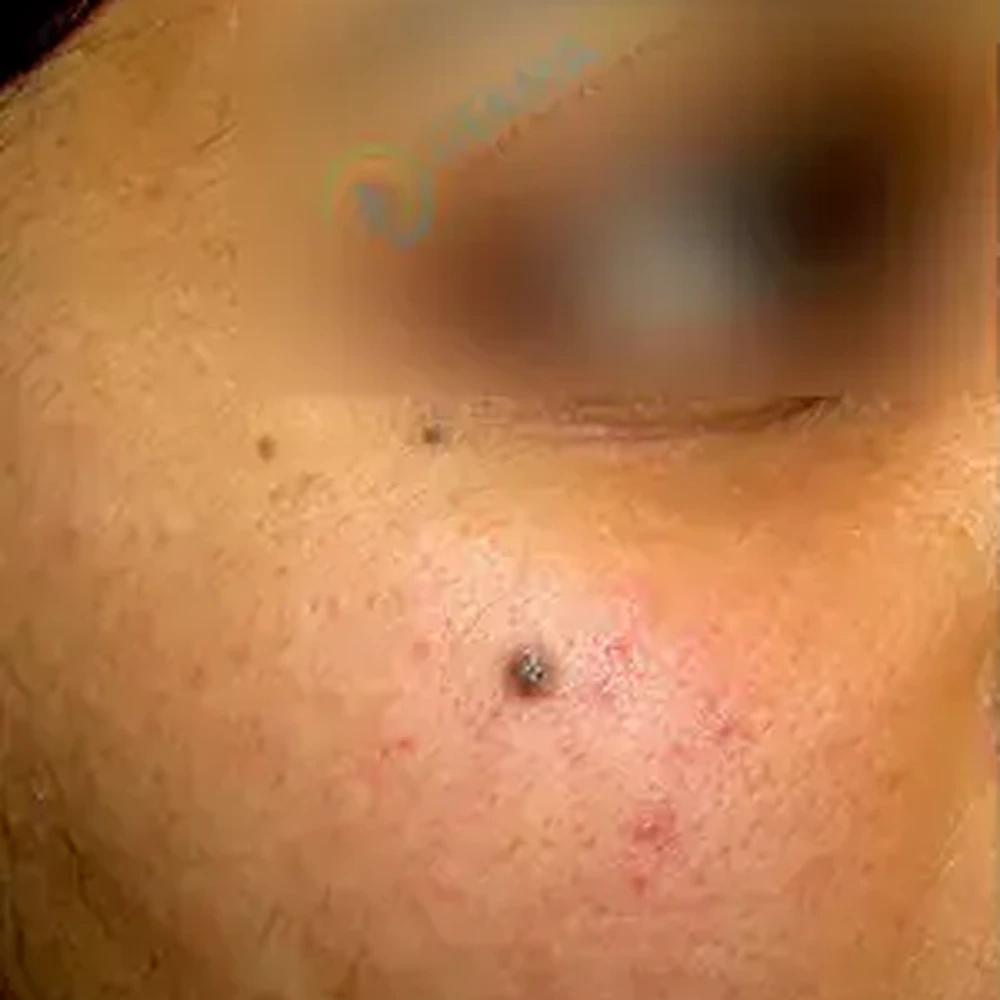
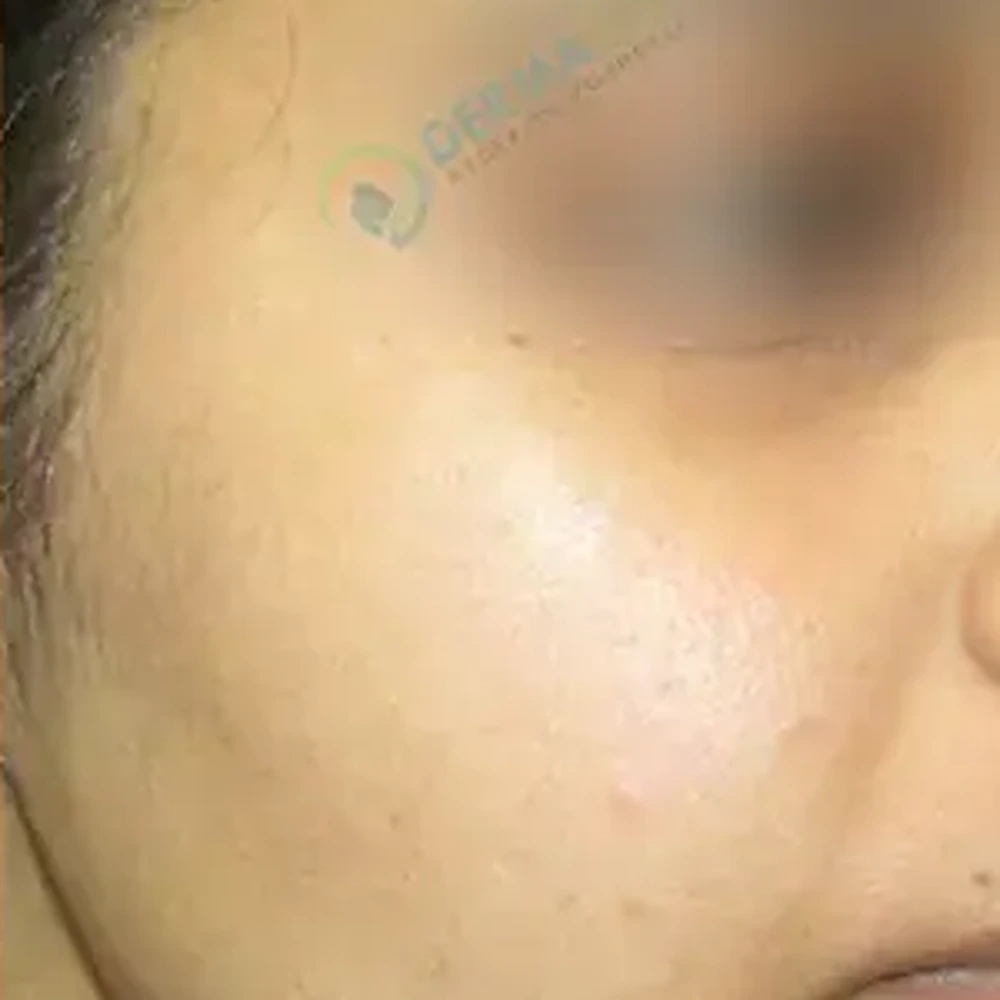
Trusted Expertise You Can Count On
10+
Years Experience
5,000+
Treatments Performed
98%
Client Satisfaction
Certified aesthetic practitioners
Strict clinical hygiene protocols
Personalised treatment planning
Every method leaves a wound and possible scar. Pain, blistering, bleeding, infection, recurrence and pigment change can occur. Follow instructions for cleansing, petroleum jelly or dressings, stitch care and sun protection. Increasing pain, pus, fever, uncontrolled bleeding or spreading redness needs review. New or changing lesions should not be self-burned or repeatedly frozen.
Frequently Asked Questions
Below are the most common questions about Mole Removal in Multan After the Lesion Is Identified. Don't see yours? Contact us for a free consultation.
No. If a mole or one that has changed is found, it may require biopsy or total removal of the mole for examination. Laser is used to destroy or fragment tissue and is not suitable where diagnosis is important. The type of method to be used will also be influenced by the depth, site and anticipated scar.
If the mole has developed or changed quickly, is asymmetrical, has multiple colors, is bleeding, crusting, or keeps itching, get it evaluated. If a mole does not match all the checklist items, check it out if it looks different from the others.
Yes. Eliminating infected tissue will make it impossible to see the virus, but it can still be there, and a new wart can develop. That does not necessarily mean that the first procedure was technically incorrect. Treatment may be repeated or a different approach may be suggested after examination of the site.
It can. Blistering and hyperpigmentation or hypopigmentation may occur with cryotherapy and can be temporary or permanent; this cosmetic effect is greater with people who have darker skin. Risk is affected by freezepoint, body location and personal healing. Discuss alternatives prior to treating an area that is visible.
Any procedure can scar, as the skin needs to heal after having the tissue removed. Appearance will vary based on lesion depth, location, technique, infection, skin tension and individual healing tendency. Even though it may go away, a small flat scar is still better than one that is raised.
Cost is based on diagnosis, number, size, location, technique, local anaesthetic, stitches, histopathology and follow up. There are several simple tags that need to be traversed along a different route from one suspicious pigmented lesion. Just by looking at a single photograph, it may not be possible to determine if laboratory testing is required.
What our clients say about us

"My experience with the clinic was excellent from consultation to recovery. I had a facial surgical procedure done, and the attention to detail was impressive. The results enhanced my features without making me look artificial. I’ve received so many compliments since then."

"For years I avoided fitted shirts and social gatherings because of gynecomastia. Finally getting the surgery changed my confidence completely. The results look very natural, and I honestly wish I had done it earlier. The surgeon explained every step clearly which gave me peace of mind."

"I always looked tired because of the extra skin around my eyes, even when I was fully rested. After my blepharoplasty procedure, my eyes look fresh and natural. The recovery was smoother than I expected, and the clinic staff made me feel comfortable throughout the process."

"I wanted a subtle change to my nose without losing my natural features. The rhinoplasty result was exactly what I hoped for. My face looks more balanced now, and even my family appreciated how natural everything turned out."

"I was nervous before starting laser treatment, but the experience was much easier than I expected. The clinic environment is clean and professional. After multiple sessions, the hair growth has reduced a lot."

"I wanted subtle Botox results without looking overdone. The doctor understood exactly what I wanted and kept everything very natural. I still look like myself, just more fresh and relaxed."

The best aesthetic clinic in Multan
Whether you're looking to reduce fine lines, enhance your features, or achieve glowing skin — our specialists are ready to help you look and feel your very best.
Ready to Reveal Your Best Self?
Book a consultation today and let our specialists create a personalised treatment plan just for you.