




NAD+ IV Therapy in Multan: Evidence and Safety
NAD+ IV therapy in Multan with proper assessment first, a documented formulation, a monitored infusion rate and a defined course endpoint.
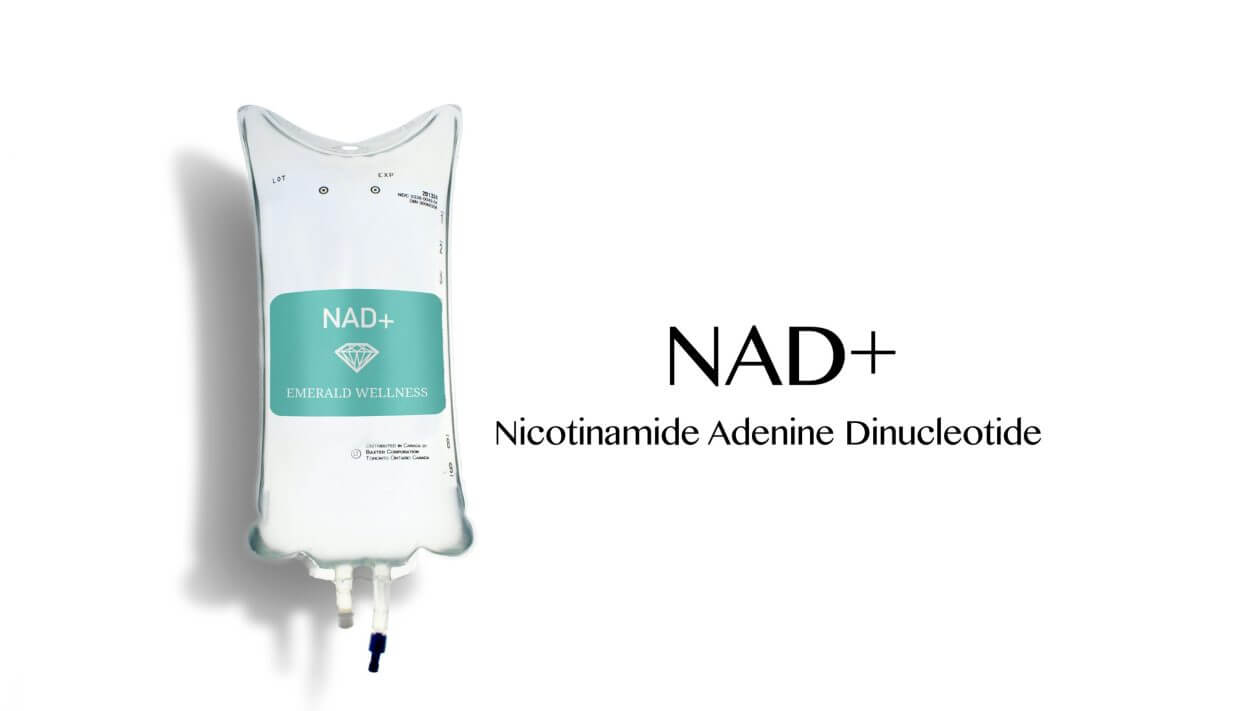
NAD+ (nicotinamide adenine dinucleotide) is a coenzyme found in every cell in the body. It sits at the centre of how cells convert food into usable energy, working alongside the mitochondria in the reactions that produce ATP, and it takes part in DNA repair and in the activity of enzymes called sirtuins. That central role is why it has become one of the most requested wellness infusions in Multan.
Assessment Before the Cannula
Tiredness is a symptom, not a diagnosis, and it is worth knowing what is causing yours before treating it. Anaemia, thyroid disease, poor sleep, infection, medication effects and vitamin deficiency are all common and all treatable. The consultation covers what you are hoping to change, your medicines, allergies, pregnancy status, and any kidney or heart condition, and identifies whether an infusion is the right thing at all or whether something simpler has been missed.
What a Session Involves
The prescription records the product, dose, diluent and infusion rate before anything is set up. A cannula is placed and the infusion runs slowly, because rate is what most affects how the infusion feels. Flushing, nausea, chest tightness or cramping can occur if it runs too fast, and slowing the rate usually settles it. Sessions are monitored throughout, and the carrier fluid provides some hydration alongside the NAD+ itself.
How Sessions Are Planned
Dose, duration and tolerance vary between people, so the planned dose and expected infusion time are agreed before the appointment rather than discovered during it. Treatment is arranged as a short defined course with a clear endpoint, and what you are hoping to notice is written down at the start so it can actually be assessed afterwards. A higher dose or a longer course is not evidence of a better result.
Who Should Not Have It
An elective infusion may be unsuitable in heart or kidney disease, where fluid intake is restricted, in pregnancy, or where there is a relevant allergy or drug interaction. Oral vitamin B3 precursors are a different product with their own side effects and interactions, and are not simply a weaker version of the same thing.
What It Should Not Replace
An infusion should never delay the assessment of a symptom that needs diagnosing. New confusion, memory change, severe headache, breathlessness or persistent unexplained fatigue need medical assessment rather than a wellness drip.
Cost
Cost reflects the dose, infusion duration, consumables, clinical assessment and monitoring. Ask for the written rationale, the planned dose and the total course cost before starting.
Benefits and Expected Results
Assessment before the cannula
Fatigue is investigated for a treatable cause first, so an infusion is never a substitute for a diagnosis you needed.
A documented formulation
Product, dose, diluent and infusion rate are recorded in writing before anything is prepared.
Rate adjusted to you
The infusion is slowed or paused if flushing, nausea or cramping develops, rather than run to a fixed schedule.
Monitored throughout
Pulse, blood pressure and symptoms are checked during administration where clinically indicated.
Fluid volume matched to your history
Carrier fluid is chosen against your cardiac and renal history rather than issued as a standard bag.
A defined endpoint
What you hope to notice is agreed at the start, so the course can be judged on evidence rather than extended by default.
What to Expect
Treatment Time
Protocol dependent
Downtime
Usually same day
Results Onset
Not established
How Long Results Last
Not established
How Your NAD+ IV Therapy in Multan: Evidence and Safety Works
Indication and safety review
A clinician checks symptoms, history, medicines, fluid tolerance and whether investigation or standard treatment is more appropriate.
Cannula placement and infusion
The skin is cleaned, the IV cannula is placed and the labelled solution is connected. The rate is adjusted to the prescription and response.
Monitoring and discharge
Staff watch for pain, swelling, nausea, flushing, cramping, headache or chest symptoms. The line is removed after the infusion, and warning signs are explained.
Before & After
Trusted Expertise You Can Count On
10+
Years of Clinic Experience
5,000+
Treatments Performed at the Clinic
Same day
Typical Downtime
Certified aesthetic practitioners
Strict clinical hygiene protocols
Personalised treatment planning
Any IV can cause bruising, bleeding, infection, vein irritation, infiltration, allergy or fluid-related problems. NAD+ infusions have also been associated with unpleasant symptoms during administration, and long-term safety data are limited. Chest pain, breathing difficulty, faintness or rapidly increasing swelling needs prompt medical assessment. Elective infusions should not delay diagnosis or treatment of fatigue, addiction, neurological symptoms or other illness.
Frequently Asked Questions
Below are the most common questions about NAD+ IV Therapy in Multan: Evidence and Safety. Don't see yours? Contact us for a free consultation.
NAD+ is a coenzyme central to how cells produce energy, and it also takes part in DNA repair and sirtuin activity. Infusion delivers it directly into the bloodstream rather than relying on oral precursors. The biology is well established; what an individual notices from an infusion varies, which is why an endpoint is agreed before starting.
Most of what people feel relates to the infusion rate rather than the dose. Running too quickly can cause flushing, nausea, chest tightness or cramping, and slowing the rate usually settles it. Sessions are monitored throughout and the rate is adjusted to your tolerance.
Time varies with dose, formulation and how well you tolerate it, and a slower rate is used if symptoms develop. The planned dose and expected duration are agreed before the cannula is placed rather than worked out during the session.
It may be unsuitable in heart or kidney disease, where fluid intake is restricted, in pregnancy, or where there is a relevant allergy or drug interaction. Persistent unexplained fatigue should be assessed for anaemia, thyroid disease, sleep problems, infection or medication effects before an elective infusion is arranged.
Yes. Oral niacin and other B3 precursors are different products that the body converts along its own pathway, and they carry their own side effects and drug interactions. Neither is simply a stronger or weaker version of the other, and the choice depends on the goal rather than on speed of delivery.
Dose, infusion duration, consumables, clinical assessment and monitoring all affect price. A higher dose or a longer course is not evidence of a better result. Ask for the planned dose, the written rationale and the total course cost before the first session.
What our clients say about us

"My experience with the clinic was excellent from consultation to recovery. I had a facial surgical procedure done, and the attention to detail was impressive. The results enhanced my features without making me look artificial. I’ve received so many compliments since then."

"For years I avoided fitted shirts and social gatherings because of gynecomastia. Finally getting the surgery changed my confidence completely. The results look very natural, and I honestly wish I had done it earlier. The surgeon explained every step clearly which gave me peace of mind."

"I always looked tired because of the extra skin around my eyes, even when I was fully rested. After my blepharoplasty procedure, my eyes look fresh and natural. The recovery was smoother than I expected, and the clinic staff made me feel comfortable throughout the process."

"I wanted a subtle change to my nose without losing my natural features. The rhinoplasty result was exactly what I hoped for. My face looks more balanced now, and even my family appreciated how natural everything turned out."

"I was nervous before starting laser treatment, but the experience was much easier than I expected. The clinic environment is clean and professional. After multiple sessions, the hair growth has reduced a lot."

"I wanted subtle Botox results without looking overdone. The doctor understood exactly what I wanted and kept everything very natural. I still look like myself, just more fresh and relaxed."

The best aesthetic clinic in Multan
Whether you're looking to reduce fine lines, enhance your features, or achieve glowing skin — our specialists are ready to help you look and feel your very best.
Ready to Reveal Your Best Self?
Book a consultation today and let our specialists create a personalised treatment plan just for you.