


Stem Cell Therapy
Stem cell therapy in Multan: what the term covers, how to check the product and the evidence, and a written plan you can take for a second opinion.
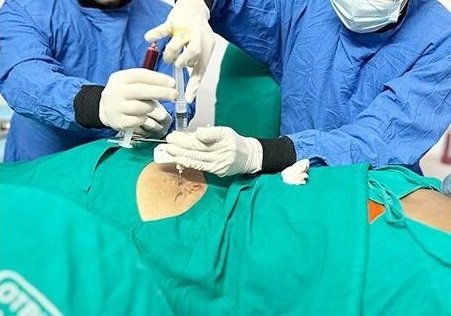
Stem cell therapy covers a very wide range of treatments, and the differences between them matter far more than the phrase itself. Blood-forming stem cell transplantation is established care with decades of clinical use in specific blood and immune conditions. Many of the products offered commercially for joints, skin, hair and general wellness sit at a much earlier stage and are still being studied. Knowing which of those you are being offered is the first thing worth establishing.
What the Term Actually Covers
The cell source changes what a product is: bone marrow, adipose-derived cells, umbilical cord tissue or Wharton's jelly, and whether the cells come from you or from a donor. Processing, identity, sterility, dose, storage and route of administration all change the risk profile as well. Exosomes and isolated growth factors are frequently marketed under the same banner but are not stem cells at all.
What the Consultation Gives You
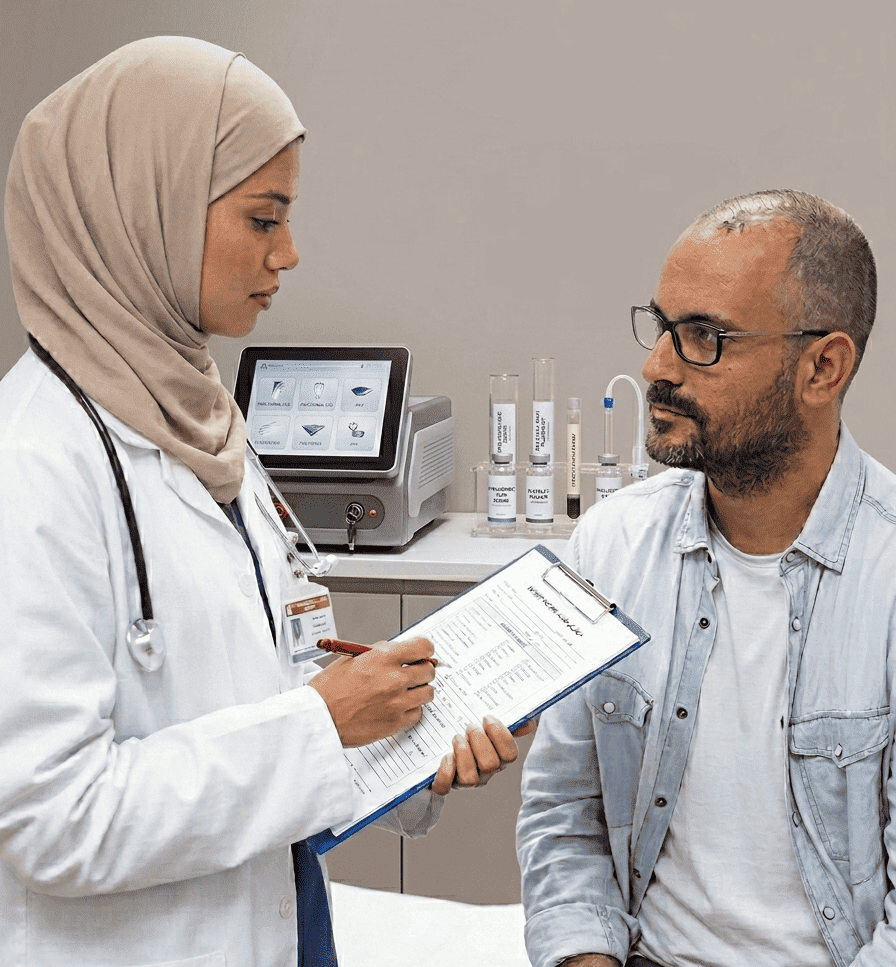
The most valuable thing a clinic can offer in this field is a straight assessment. That means naming your diagnosis, naming the exact cell product being proposed, setting out what the clinical evidence supports for that product in that condition, and putting the treatment programme in writing. Where something is investigational rather than established, that is stated on the consent form rather than implied.
Questions Worth Asking Anywhere
Ask what the product is and where the cells come from. Ask how the product and the facility meet Drug Regulatory Authority of Pakistan requirements, what ethics review applies, and what laboratory controls are in place. Ask whether the evidence being quoted relates to the same product, the same condition and the same route of administration. A product described as registered is not the same as one approved for the use being proposed.
Mesenchymal Stem Cells
MSCs are the cells most often discussed for orthopaedic and aesthetic use, and are studied for their effect on inflammation and tissue repair. Evidence has to be condition-specific: a result from a joint injection does not carry across to an intravenous infusion, to hair restoration or to a skin claim, because the route and the target tissue are different.
Second Opinions Are Welcome
Cell therapy is an area where costs are high and claims move quickly. Anyone considering it is encouraged to take the written plan away, seek a second opinion and come back. A clinic confident in what it is proposing has no reason to rush that decision.
Benefits and Expected Results
A named diagnosis
Assessment identifies the actual condition before any product is discussed, so the questions get asked in the right order.
The exact product named
The plan states the cell source, whether the cells are yours or a donor’s, how they are processed and how they are stored.
Evidence matched to your case
What the research supports is set out for that product, that condition and that route, rather than borrowed from an unrelated study.
A written treatment programme
You leave with the plan on paper, including alternatives and costs, so it can be compared or reviewed elsewhere.
Regulatory and laboratory questions answered
Facility standards, DRAP requirements, ethics review and laboratory controls are addressed directly rather than deflected.
Time to decide
Second opinions are encouraged and nothing is arranged on the day of the first consultation.
What to Expect
Treatment Time
Protocol dependent
Downtime
Route dependent
Results Onset
Not established
How Long Results Last
Not established
How Your Stem Cell Therapy in Multan Works
Diagnosis and patient eligibility
The clinician reviews symptoms, prior care, medicines, infection risk, immune status, goals and patient eligibility. Serious disease may warrant an independent opinion.
Product and evidence review
Patients should receive the source, autologous or allogeneic status, laboratory details, dose, route and indication-specific evidence. Trial registration should be independently verifiable.
Collection or administration
Bone-marrow or fat collection has specific risks. Donor products need traceability and screening; stem cell injections or IV delivery need sterility, monitoring and emergency readiness.
Follow-up and adverse-event plan
The plan states who reviews the patient, urgent warning signs and outcome tracking. Inaccessible follow-up is a concern.
Trusted Expertise You Can Count On
10+
Years of Clinic Experience
5,000+
Treatments Performed at the Clinic
Second opinion
Always Encouraged
Certified aesthetic practitioners
Strict clinical hygiene protocols
Personalised treatment planning
Risks include pain, bleeding, infection, contamination, immune reactions, clots, unwanted tissue growth and no benefit. Collection adds further risks, while unproven care can delay effective treatment. Avoid claims that one preparation treats unrelated diseases, guarantees regeneration or has no side effects.
Frequently Asked Questions
Below are the most common questions about Stem Cell Therapy in Multan. Don't see yours? Contact us for a free consultation.
It covers everything from established blood-forming transplantation, used for decades in specific blood and immune conditions, through to newer products offered for joints, skin, hair and wellness that are still being studied. Approval and evidence attach to a specific product for a specific condition, so the useful question is always which product is being proposed and for what.
Not automatically. Collection, processing and administration each carry their own risk, including bleeding, pain and infection. Cells originating in your body still have to be correctly identified, kept sterile, prepared at the right dose and delivered by an appropriate route, and how they behave after processing is not guaranteed by their origin.
No. Exosomes are extracellular vesicles released by cells, not living stem cells. They are frequently marketed under the same heading but should be assessed separately on their manufacture, contents and clinical evidence. The consent form should name whichever product is actually being used.
Evidence applies to a specific product, dose, route and condition, and does not transfer between unrelated targets. A proposal that covers several unconnected concerns with one intravenous product is worth questioning. Ask for the human clinical data covering the exact product and the exact indication.
Ask for the public registry number, the sponsor, the ethics approval and the site details, then verify them independently. Paying a fee or signing a consent form does not by itself mean a legitimate trial is taking place.
Cell collection, donor screening, laboratory processing, storage, administration and follow-up all affect cost, and price does not demonstrate quality or approval. Request an itemised written plan and confirm what care is available if a complication occurs.
What our clients say about us

"My experience with the clinic was excellent from consultation to recovery. I had a facial surgical procedure done, and the attention to detail was impressive. The results enhanced my features without making me look artificial. I’ve received so many compliments since then."

"For years I avoided fitted shirts and social gatherings because of gynecomastia. Finally getting the surgery changed my confidence completely. The results look very natural, and I honestly wish I had done it earlier. The surgeon explained every step clearly which gave me peace of mind."

"I always looked tired because of the extra skin around my eyes, even when I was fully rested. After my blepharoplasty procedure, my eyes look fresh and natural. The recovery was smoother than I expected, and the clinic staff made me feel comfortable throughout the process."

"I wanted a subtle change to my nose without losing my natural features. The rhinoplasty result was exactly what I hoped for. My face looks more balanced now, and even my family appreciated how natural everything turned out."

"I was nervous before starting laser treatment, but the experience was much easier than I expected. The clinic environment is clean and professional. After multiple sessions, the hair growth has reduced a lot."

"I wanted subtle Botox results without looking overdone. The doctor understood exactly what I wanted and kept everything very natural. I still look like myself, just more fresh and relaxed."

The best aesthetic clinic in Multan
Whether you're looking to reduce fine lines, enhance your features, or achieve glowing skin — our specialists are ready to help you look and feel your very best.
Ready to Reveal Your Best Self?
Book a consultation today and let our specialists create a personalised treatment plan just for you.