




Vitiligo Treatment in Multan for Loss of Pigment
Learn how vitiligo treatment in Multan uses topical medicine, narrowband UVB, excimer light and camouflage, with real...
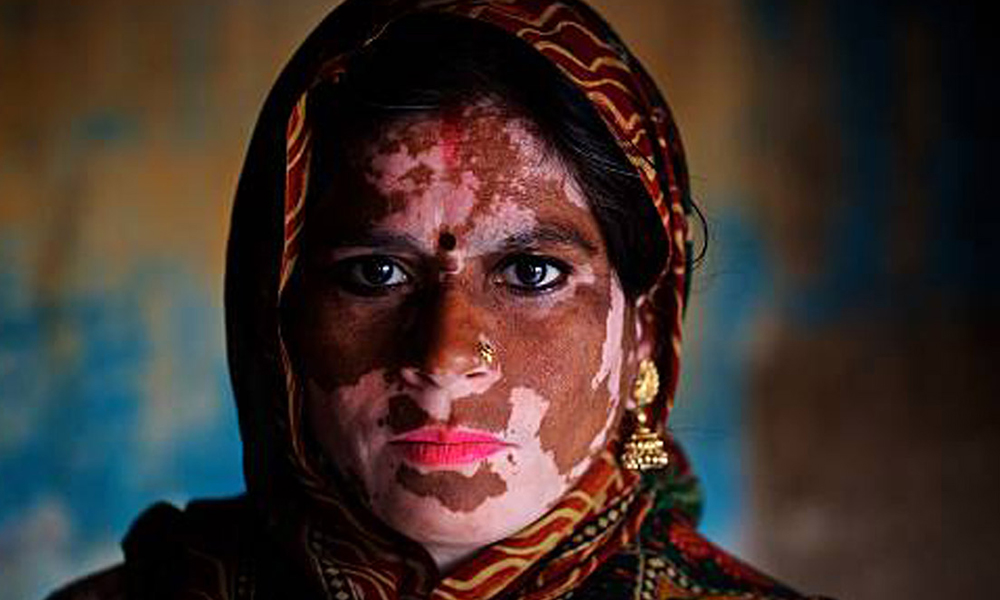
Vitiligo is characterized by areas of well defined white pigmentation when there is a decrease or complete absence of functioning melanocytes. It is commonly associated with autoimmune activity, is not contagious and is not caused by poor hygiene. It can be confused with tinea versicolor and with chemical exposure and colour loss following inflammation. Prior to the commencement of vitiligo treatment in Multan, the dermatologist should confirm the diagnosis, document the stability of the patches and any white hair within the patches. Chance of repigmentation is highly affected by body site.
The confirmation of Vitiligo and disease activity
Examination includes distribution, border, colour, hair change and rate of spread. Use of a Wood's lamp may enhance the depigmentation. A wide thyroid antibody panel is not necessary for all patients, but is indicated if symptoms and/or history suggest thyroid and/or other autoimmune disease.
Steady photos or body maps serve as baseline. Active spread from stable pigment loss can sometimes be differentiated based on recent skin injury, chemical exposure, family history and new medicine. There can be a difference in performance between segmental and non-segmental patterns, as well as between different patterns.
Topical White Patches Treatment in Multan
Selected patches can be treated with a topical corticosteroid for a limited amount of time. Some sensitive areas may benefit from tacrolimus or pimecrolimus. Potency, age and body area are important due to the possibility of the skin being thinned around the body by inappropriate steroid use. Local availability and/or regulatory status of topical ruxolitinib for certain types of vitiligo needs to be confirmed rather than assumed.
New method of UVB and Excimer Treatment
Narrowband UVB applies controlled medical light to a wider disease area whereas excimer devices are limited to a smaller area. Both need multiple sessions and eye protection and dose monitoring. Repigmentation can start at hair follicles and can take months to occur. Patches with white hair, hands and feet tend to respond less.
UV units at home and tanning beds can cause skin burns, and can never be used in place of a supervised protocol. Redness, dryness or excessive burning may occur at the wrong dosage with a phototherapy treatment.
Vitiligo care can aim to stabilise spread, restore some pigment or reduce contrast, and each is a valid goal. Diagnosis and body-site expectations prevent months of unsuitable treatment. Camouflage and psychological support are legitimate choices alongside—or instead of—medical repigmentation efforts. Sun protection can reduce contrast and protect depigmented areas.
Benefits and Expected Results
Slower patch expansion
Appropriate anti-inflammatory treatment may help stabilise active disease in selected patients.
Partial repigmentation
Responsive areas can regain colour gradually, often beginning around follicles.
Better facial response
Face and neck patches often repigment more readily than hands and feet.
Reduced sunburn risk
Photoprotection shields depigmented areas that lack normal melanin defence.
Lower visual contrast
Sunscreen, camouflage and self-tanning products can make white patches less conspicuous without medical treatment.
Documented disease activity
Maps and photographs help distinguish true spread from day-to-day lighting differences.
What to Expect
Treatment Time
Repeated sessions
Downtime
Usually none
Results Onset
Several months
How Long Results Last
May regress
How Your Vitiligo Treatment in Multan for Loss of Pigment Works
Diagnostic mapping
The clinician confirms depigmentation, records extent and reviews activity, white hair and associated symptoms.
Site-specific therapy
Topical medicine, narrowband UVB, excimer treatment or camouflage is selected around location and age.
Month-by-month review
Spread, perifollicular colour and adverse effects are assessed before continuing or changing treatment.
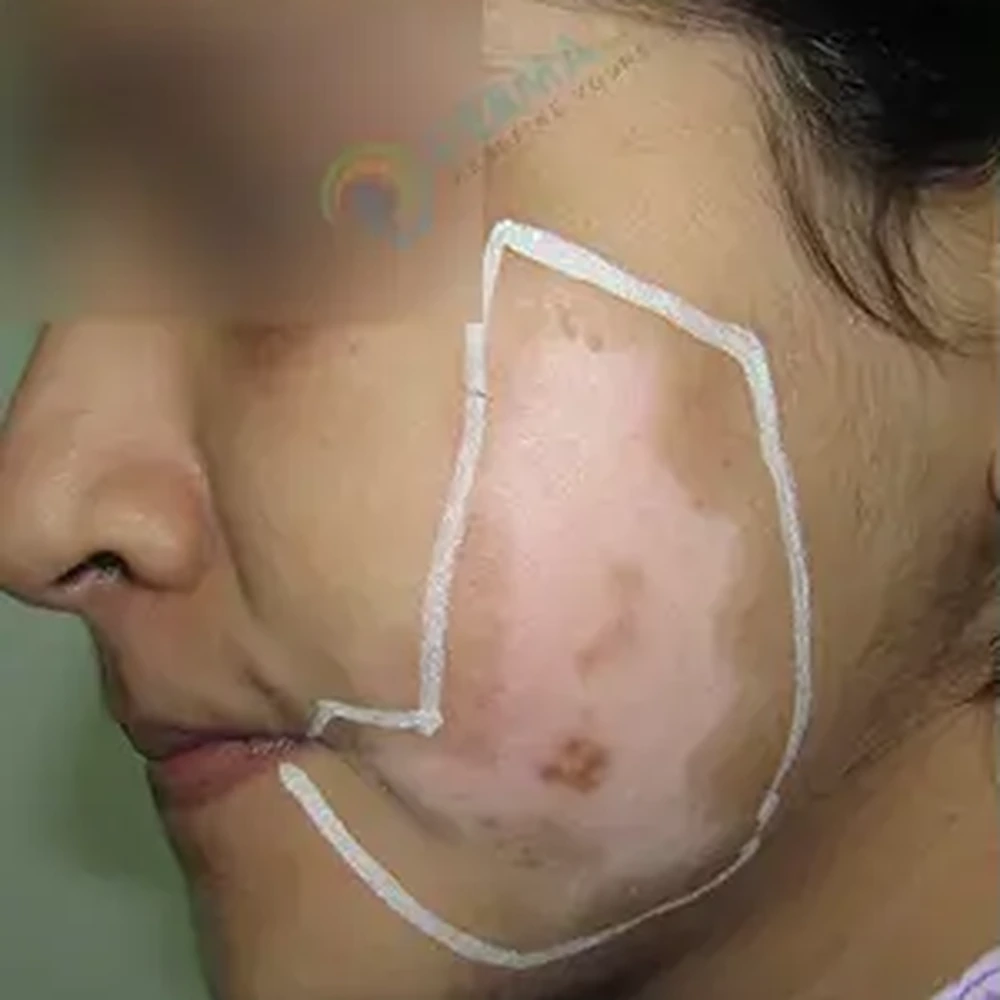
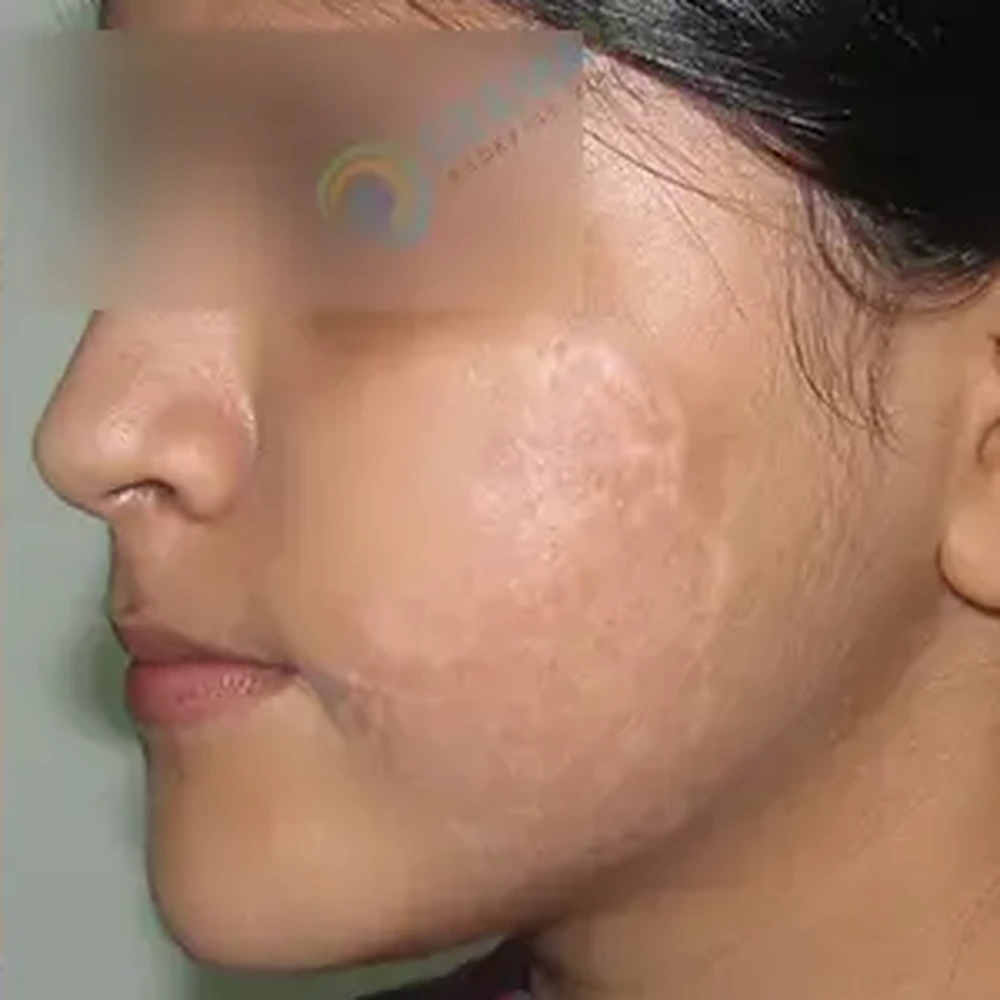
Before & After
Trusted Expertise You Can Count On
10+
Years of Clinic Experience
5,000+
Treatments Performed at the Clinic
Repeated sessions
Typical Treatment Time
Certified aesthetic practitioners
Strict clinical hygiene protocols
Personalised treatment planning
Topical treatments can irritate or thin skin if misused, while phototherapy can burn. Response varies greatly by site, and no method guarantees permanent colour restoration. Use broad-spectrum sunscreen, protective clothing and shade in Multan; depigmented skin burns more readily, while tanning surrounding skin increases contrast. Painful, scaly or rapidly changing patches require reassessment.
Frequently Asked Questions
Below are the most common questions about Vitiligo Treatment in Multan for Loss of Pigment. Don't see yours? Contact us for a free consultation.
No. Cannot be transmitted by touching, wearing clothes and eating with others. Pigment cell loss, immunosuppression is associated with vitiligo. Assessment of medical nature remains relevant as well since fungus infections, post-inflammatory hyperpigmentation may result to light spots that are treated differently from those caused by other conditions.
Treatment does not guarantee a lifelong recovery of pigmentation either. Treatment might slow active spread and restore colour in responsive areas, but new patches or recurrence may occur. Improvement must take a year’s time, as well as varying needs of organs/body parts.
A history of illness is often helpful; if there’s an indication then maybe even with use of woods light. Blood tests can selectively test for a condition that is linked to your symptoms. Scratching, testing is also helpful to rule out fungal infections as well other pigments disorders.
It may be used for partial re-pigmentation of a particular disorder when given repeatedly under supervision. It’s progressive, rather than constant. Monitor dose for controlling erythema & blistering; skin contact with fingers/feet /white hair is usually a poor responder.
The hands and feet have far fewer hair follicles than the scalp, and hair follicles are the main reservoir of pigment cells that repopulate treated skin. With little of that reservoir available, and with longer-standing patches, repigmentation is slower and often incomplete. Treatment goals should therefore be set for each site rather than applied uniformly across the body.
Yes. Depigmented areas lack normal melanin protection and burn more easily. Broad-spectrum sunscreen, clothing and shade are important in Multan. Preventing surrounding skin from tanning also reduces contrast, though sunscreen alone does not restore missing pigment.

What our clients say about us

"My experience with the clinic was excellent from consultation to recovery. I had a facial surgical procedure done, and the attention to detail was impressive. The results enhanced my features without making me look artificial. I’ve received so many compliments since then."

"For years I avoided fitted shirts and social gatherings because of gynecomastia. Finally getting the surgery changed my confidence completely. The results look very natural, and I honestly wish I had done it earlier. The surgeon explained every step clearly which gave me peace of mind."

"I always looked tired because of the extra skin around my eyes, even when I was fully rested. After my blepharoplasty procedure, my eyes look fresh and natural. The recovery was smoother than I expected, and the clinic staff made me feel comfortable throughout the process."

"I wanted a subtle change to my nose without losing my natural features. The rhinoplasty result was exactly what I hoped for. My face looks more balanced now, and even my family appreciated how natural everything turned out."

"I was nervous before starting laser treatment, but the experience was much easier than I expected. The clinic environment is clean and professional. After multiple sessions, the hair growth has reduced a lot."

"I wanted subtle Botox results without looking overdone. The doctor understood exactly what I wanted and kept everything very natural. I still look like myself, just more fresh and relaxed."

The best aesthetic clinic in Multan
Whether you're looking to reduce fine lines, enhance your features, or achieve glowing skin — our specialists are ready to help you look and feel your very best.
Ready to Reveal Your Best Self?
Book a consultation today and let our specialists create a personalised treatment plan just for you.